How to prevent slab leaks in your Miami home
Discover effective strategies to prevent slab leaks in your Miami home and protect your property from costly water damage.
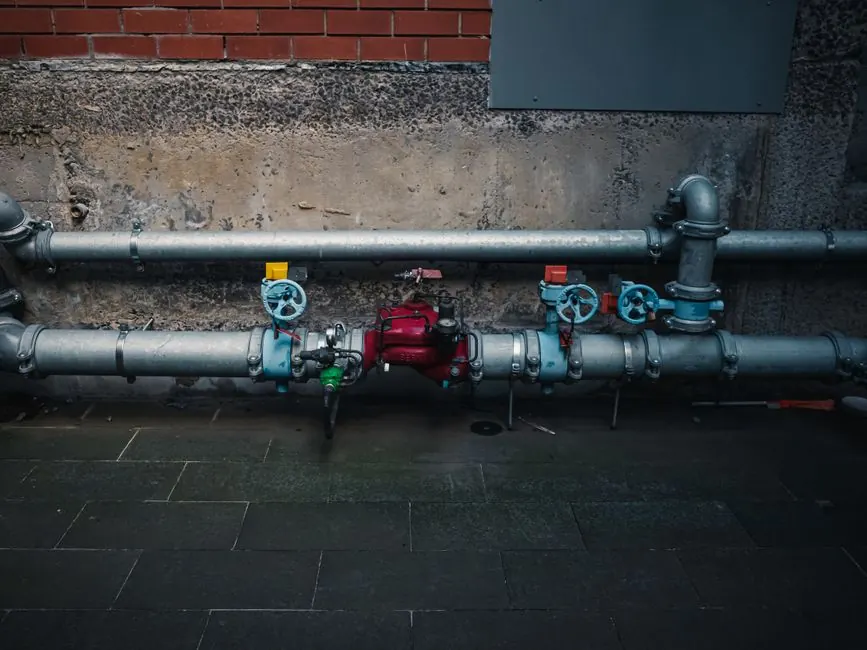
A slab leak is a plumbing issue that occurs when water pipes beneath a concrete slab develop leaks. Preventing these leaks is crucial for Miami homeowners, as they can cause significant structural damage and costly repairs. This article explores effective strategies to prevent slab leaks in your home and what to do if you suspect a leak.
Understanding slab leaks is essential for taking preventive measures. A slab leak occurs when the pipes that run beneath your home's foundation start to leak, often due to wear and tear, shifting soil, or poor installation. In Miami, where humidity is high and soil conditions can fluctuate, slab leaks can be particularly problematic.
What is a slab leak?
A slab leak is a plumbing issue that occurs when water pipes beneath a concrete slab develop leaks. These leaks can lead to significant water damage, mold growth, and structural issues if left unaddressed. In Miami, the unique climate and soil conditions increase the risk of slab leaks, making it essential for homeowners to understand how to prevent them.
Signs of a slab leak
Identifying the signs of a slab leak early can save you from extensive damage and costly repairs. Common indications include:
- Unexplained increases in your water bill
- Water pooling around the foundation of your home
- Cracks in the walls or floors
- Warm spots on the floor
- Sound of running water when no taps are on
If you notice any of these signs, it's crucial to contact a professional for emergency leak repair Miami as soon as possible.
Causes of slab leaks
Understanding the causes of slab leaks can help you take preventive measures. Common causes include:
- Poor installation: Incorrectly installed pipes can lead to leaks over time.
- Corrosion: Pipes made from certain materials can corrode, especially in Miami's humid environment.
- Soil movement: Shifting soil due to heavy rains or drought can put pressure on pipes.
- High water pressure: Excessively high water pressure can strain pipes and lead to leaks.
Regular maintenance and inspections can help identify these issues before they become serious problems.
How to prevent slab leaks
Preventing slab leaks requires a proactive approach. Here are several strategies you can implement:
- Regular plumbing inspections: Schedule annual inspections with a qualified plumber to identify potential issues.
- Monitor your water pressure: Keep your water pressure between 40 and 60 psi to reduce strain on pipes.
- Insulate your pipes: Proper insulation can protect pipes from temperature fluctuations and reduce the risk of leaks.
- Maintain your landscaping: Ensure that water drains away from your foundation to prevent soil erosion and shifting.
- Use quality materials: Invest in high-quality plumbing materials that are less likely to corrode or fail.
Implementing these strategies can significantly reduce the risk of slab leaks in your Miami home.
Common mistakes
Homeowners often make mistakes that can lead to slab leaks. Common pitfalls include:
- Ignoring small leaks: Small leaks can escalate into major problems if not addressed promptly.
- Neglecting regular maintenance: Skipping plumbing inspections can allow issues to go unnoticed.
- Overwatering landscaping: Excess water can saturate the soil and put pressure on underground pipes.
- Using inferior materials: Cheap plumbing materials may save money upfront but can lead to costly repairs down the line.
Avoiding these mistakes can help protect your home from slab leaks.
When to call a professional
If you suspect a slab leak or notice any signs of water damage, it's essential to call a professional immediately. Will Plumbing Pros offers emergency plumbing services Miami to address slab leaks and other urgent plumbing issues. Our team is equipped to handle any plumbing emergency, ensuring your home remains safe and dry.
Frequently Asked Questions
1. How much does it cost to repair a slab leak in Miami?
The cost to repair a slab leak in Miami typically ranges from $1,500 to $4,000, depending on the severity of the leak and the necessary repairs.
2. Can I prevent slab leaks completely?
While you can significantly reduce the risk of slab leaks through regular maintenance and monitoring, it's impossible to guarantee complete prevention.
3. How do I know if I have a slab leak?
Signs of a slab leak include unexplained water bills, cracks in walls or floors, and water pooling around your home's foundation.
4. What should I do if I suspect a slab leak?
If you suspect a slab leak, contact a professional plumber immediately for a thorough inspection and necessary repairs.
5. How often should I have my plumbing inspected?
It's recommended to have your plumbing inspected at least once a year to catch potential issues early.
Get help with Emergency Plumber in Miami
If you suspect a slab leak or need urgent plumbing assistance, call Will Plumbing Pros at (786) 675-4030. Our experienced team is ready to help you protect your home.