Preparing your plumbing for Miami's rainy season
Get your plumbing ready for Miami's rainy season with essential tips to prevent leaks and flooding. Protect your home now!
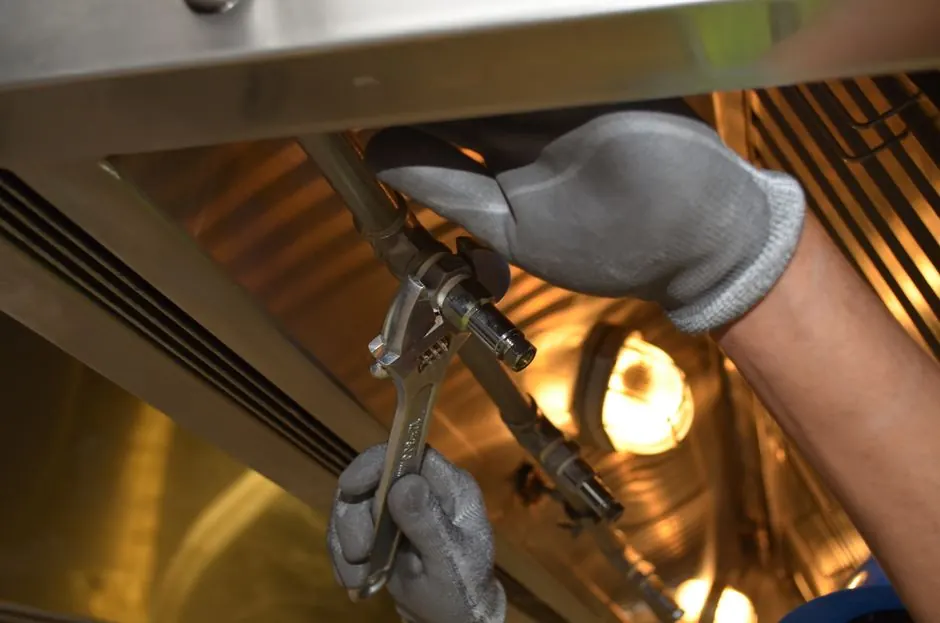
Preparing your plumbing for Miami's rainy season is essential to prevent leaks and flooding. Proper preparation can save you from costly repairs and ensure your plumbing system functions smoothly during heavy rainfall.
This article covers the importance of plumbing preparation, common issues during the rainy season, inspection tips, preventative measures, and when to call a professional.
Why is plumbing preparation important in Miami?
Plumbing preparation is crucial in Miami due to the city's tropical climate, which brings heavy rainfall from May to October. A well-maintained plumbing system can handle the increased water flow, reducing the risk of flooding and water damage.
What are the common plumbing issues during the rainy season?
During the rainy season, Miami residents often face several plumbing issues, including:
- Clogged drains due to debris and leaves.
- Leaking pipes exacerbated by increased water pressure.
- Flooding in basements or crawl spaces.
- Backed-up sewer lines from heavy rain.
Many homeowners in Brickell experience these problems, particularly in older buildings with aging plumbing systems.
How can you inspect your plumbing system?
Inspecting your plumbing system before the rainy season can help identify potential issues. Here are some steps to follow:
- Check for visible leaks: Look for water stains or damp spots on walls and ceilings.
- Inspect pipes: Examine both exposed and hidden pipes for signs of corrosion or damage.
- Test your sump pump: Ensure it operates correctly to prevent basement flooding.
- Clear gutters and downspouts: Make sure they are free of debris to direct water away from your foundation.
In Downtown Miami, where heavy rainfall can overwhelm drainage systems, regular inspections are especially important.
What preventative measures can you take?
Taking preventative measures can significantly reduce the risk of plumbing issues during the rainy season. Consider the following:
- Install a backflow prevention valve to prevent sewer backups.
- Consider a sump pump installation if your home is prone to flooding.
- Regularly maintain your plumbing system with professional emergency plumbing services Miami.
- Use pipe insulation to protect against temperature fluctuations that can lead to leaks.
Additionally, ensure your water heater is in good condition. A malfunctioning water heater can lead to flooding, especially during heavy rains.
Common mistakes to avoid
Homeowners often make mistakes that can lead to plumbing problems during the rainy season. Avoid these common pitfalls:
- Neglecting regular maintenance: Skipping routine checks can lead to serious issues.
- Ignoring warning signs: Don't overlook leaks or unusual sounds from your plumbing.
- DIY repairs: Attempting complex plumbing repairs without professional help can worsen the problem.
When to call a professional
Knowing when to call a professional can save you time and money. If you experience persistent leaks, frequent clogs, or flooding, it's time to contact Will Plumbing Pros for expert assistance. Our team specializes in emergency leak repair Miami and can quickly address your plumbing issues.
Frequently Asked Questions
What should I do if I notice a leak? If you notice a leak, turn off your water supply and contact a professional immediately to prevent further damage.
How often should I inspect my plumbing? It's advisable to inspect your plumbing system at least twice a year, ideally before the rainy season and after.
Can heavy rain damage my plumbing? Yes, heavy rain can lead to increased pressure on pipes, causing leaks or bursts.
What are the signs of a clogged drain? Common signs include slow drainage, gurgling sounds, and unpleasant odors.
How can I prevent sewer backups during heavy rain? Regular maintenance and the installation of backflow prevention devices can help mitigate this risk.